


There’s a shift happening in interiors. One that is stepping away from overly polished spaces and towards something softer, warmer and a little more real. Cottagecore might be trending, but at its heart, it’s about how a home feels.
I’ve been noticing a change in interiors recently. Less of the perfectly styled, everything-in-its-place look… (whilst I do love looking at those immaculate interiors, life is not immaculate, not in our house anyway!) and more spaces that feel relaxed, a little layered, and actually lived in. The kind of homes where things don’t quite match, but somehow work better because of it.
Which is probably why “cottagecore” has quietly made its way back into the conversation. Searches for it are climbing (along with things like wooden beams and natural materials), but what’s interesting is that it doesn’t feel like a trend in the usual sense. It’s less about copying a look and more about a shift in how we want our homes to feel.
Softer. Warmer. A bit more forgiving.
Interior designer Katie Malik (founder of her own studio and a long-time advocate for natural, liveable spaces) describes it as a move towards warmth and texture but without overcomplicating things.
Where It Starts: One Material
If you’ve ever tried to “do a trend” all at once, you’ll know it rarely works. Katie suggests starting with a single “hero” material and building from there,most often wood. Shelving, a table, or even beams if the space allows. It anchors the room without overcomplicating it.
There’s a temptation to layer everything at once; rattan, florals, stone, vintage finds but actually, the spaces that feel the most considered tend to be the simplest.
Adding Character (Without Pretending You Live in a Cottage)
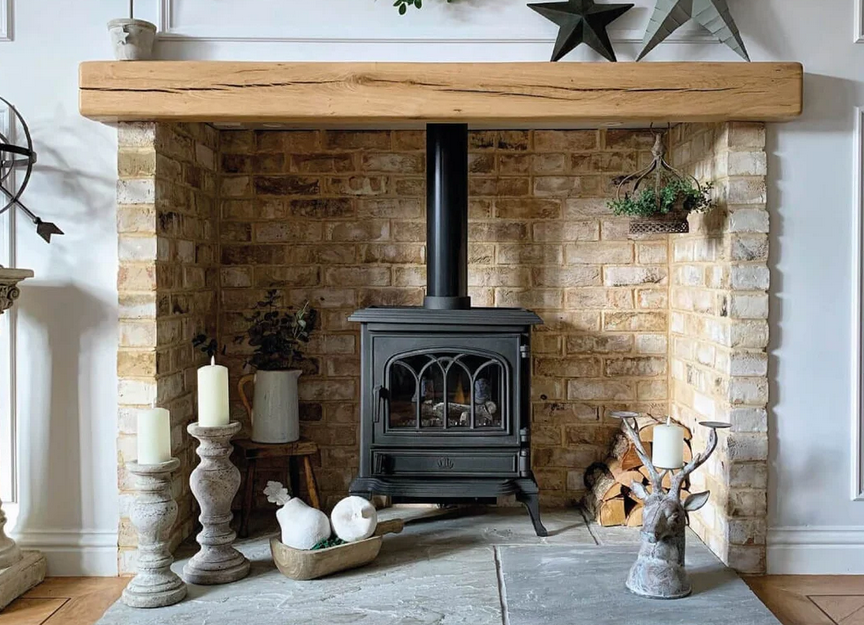
There’s something undeniably appealing about exposed timber. I will not let Husband paint over or hide what he claims are ‘those grotty looking things’, they add character and I love them. But in a newer home, it needs to feel believable. Not like you’ve tried to recreate a 17th-century cottage overnight.
Interior expert Freddie Armstrong of Traditional Beams notes that even one well-placed timber feature can transform a space adding warmth and texture without the need for a full renovation. A gorgeous piece of oak over the fireplace, for example.
Lighter tones, softer finishes and smaller touches tend to work best something that adds character without overwhelming the room.
The Power of Soft Layering
If there’s one thing that instantly shifts a room, it’s texture. A throw over the arm of a sofa. A slightly worn rug. Cushions that don’t all match perfectly.
Katie describes this as “soft layering”, a simple way to add warmth without spending a lot. And it’s probably the easiest place to start. None of it is particularly groundbreaking, but together it changes how a space feels.
Lighting (The Underrated One)
This is the one that makes the biggest difference and is probably the easiest to change.
Most homes are far too bright. Katie points out that swapping harsh overhead lighting for warmer bulbs or softer lamps can completely change the mood of a room. It’s less about brightness and more about atmosphere. A small change, but one you notice immediately.

A Few Pieces with a Past
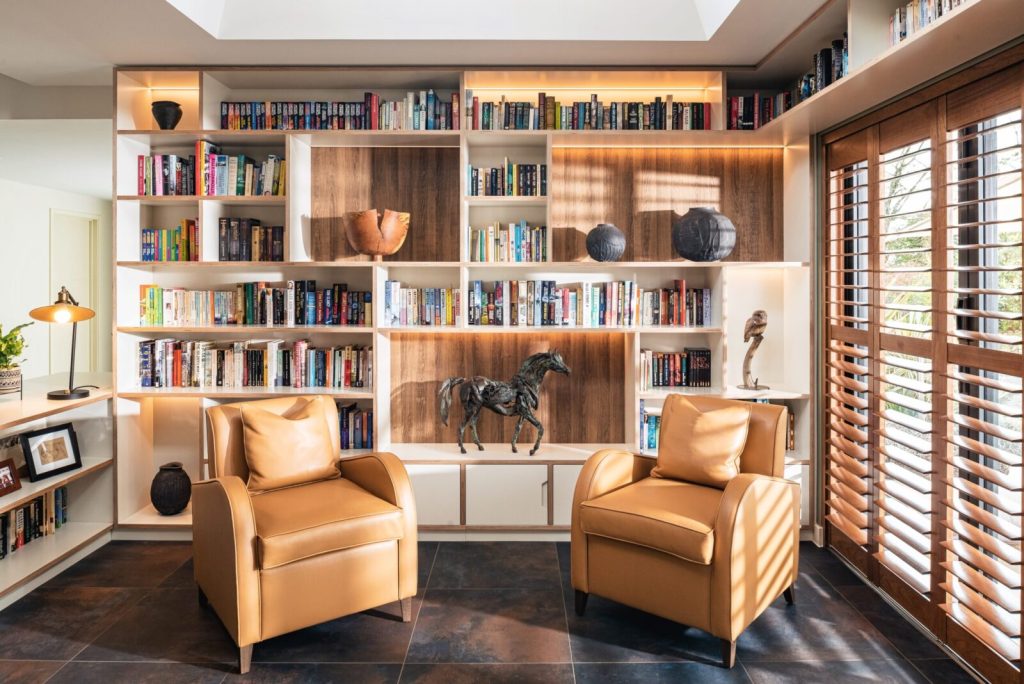
Cottagecore leans into the idea of things that feel collected rather than bought all at once. A vintage mirror, tick. A slightly imperfect ceramic, tick. Something found rather than ordered. And the stories that bring them to life, whether that’s the African basket you brought back from safari or the Sri Lankan silk sari you got made into cusshions…
Katie suggests that just a few vintage-style pieces can shift the feel of a room entirely making it feel more authentic and lived-in. (And yes, Facebook Marketplace is still a goldmine.)
A Slightly Slower Way of Living
What sits underneath all of this isn’t really a trend at all. It’s a shift towards being a bit more intentional. In other words, choosing things you actually like, keeping what works, and not feeling the need to constantly update or replace.
As Katie puts it, it’s about creating a home that reflects a more thoughtful, sustainable way of living not just decorating for the sake of it. A home that feels calm rather than curated. And maybe that’s why cottagecore resonates.
Not because we all want to live in a countryside cottage… but because we want our homes to feel a little softer, a little slower, and a bit more like somewhere we can properly switch off.


