


We spoke to Lucy Mather, interiors expert at Arighi Bianchi, about why interior design is moving beyond trends and what’s shaping the future of how we live at home.
For a long time, interiors have felt noisy. Trends came and went at speed, driven by algorithms, social feeds and the pressure to constantly update our homes to keep up. But lately, something has shifted and it feels like a collective exhale.
More and more, interior design is moving away from fast décor and fleeting aesthetics and towards something quieter, slower and far more meaningful. As we look ahead to 2026, the most interesting changes aren’t about what’s new, but about what’s finally being left behind.
This growing movement is something Arighi Bianchi has been seeing first-hand, through customer behaviour, buying patterns and long-view design expertise. And it’s a perspective that really resonates.

Designing with intention, not urgency
According to Lucy Mather, what defines the next chapter of interiors isn’t a headline trend, but a deeper cultural reset.
“What’s interesting about 2026 isn’t the emergence of any stand-out ‘new’ trends,” Lucy explains, “it’s the way certain ideas are proving their staying power. We’re seeing a real shift away from disposable décor and transient trends towards pieces and palettes that feel grounding, soulful, and worth investing in.”
Homes are becoming less about performance and more about purpose. Instead of asking does this look good on Instagram?, people are asking does this support how I actually live? How I rest, gather, recharge and connect.
It’s not minimalism for minimalism’s sake, and it’s not about perfection. It’s about homes that hold emotion. Yipppeee, we say!
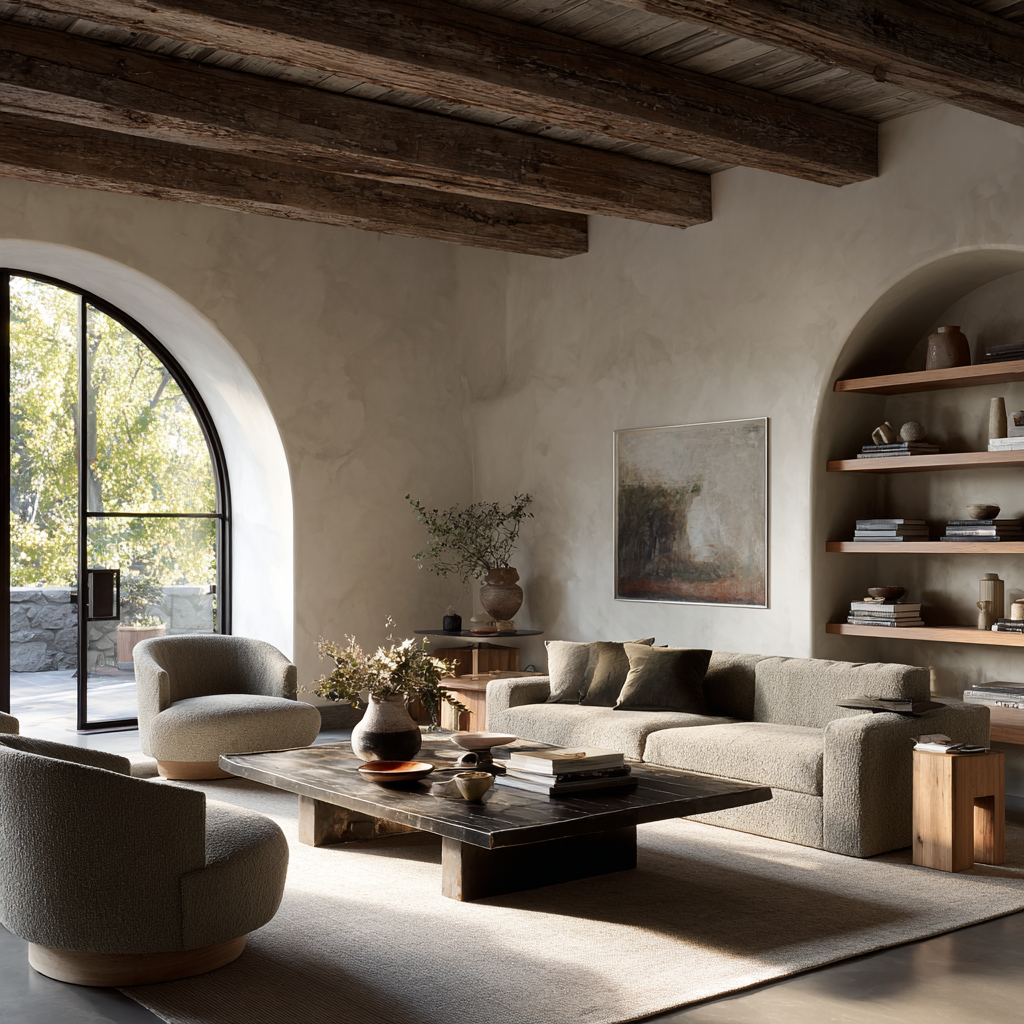
The rise of the ‘Age of Intention’
Lucy describes this shift as an Age of Intention where design choices are slower, more thoughtful and rooted in wellbeing.
“We’re increasingly choosing design with purpose rather than following trends for the sake of it,” she says. “People are less influenced by TikTok-driven micro-trends or overly sterile minimalism, and more drawn to spaces that feel meaningful and personal.”
This shows up in softer palettes, natural materials, curved forms and layered textures. Earthy tones replace high-shine finishes. Limited-production pieces are favoured over mass-produced furniture. Homes feel lived-in, not styled within an inch of their lives.
The ‘anti-trends’ shaping our homes
Rather than chasing trends, many of us are actively moving away from them.
From rooms designed purely to look good…
To spaces designed to be used. Comfort is no longer a guilty pleasure it’s the point.
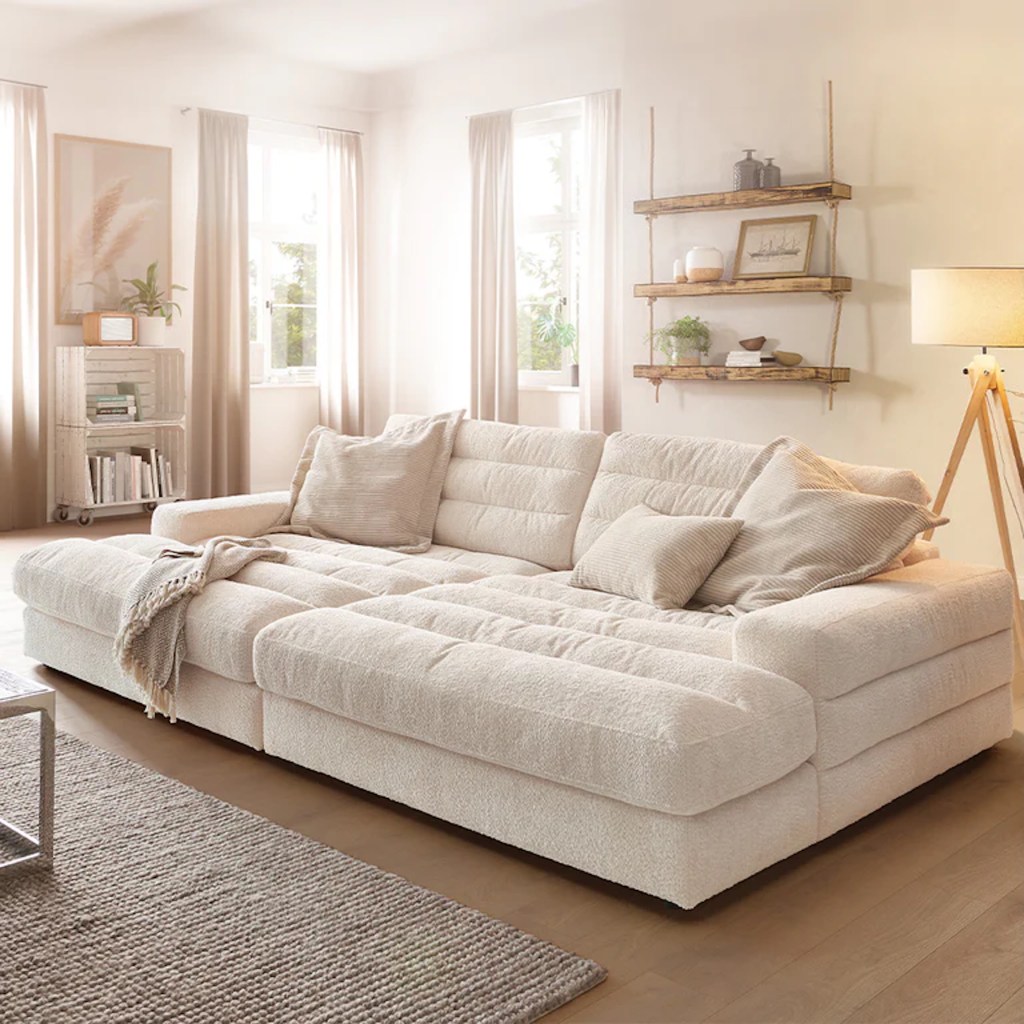
Oversized, sculptural seating (what Lucy affectionately calls “fat furniture”) is a response to how we actually live now. Sofas you can sprawl on, rounded armchairs that invite you in, generous cushions and exaggerated forms that soften a space and encourage people to linger. These pieces act like modern hearths places to gather, curl up and feel at ease.
And it doesn’t stop at furniture. Accessories are scaling up too: chunky ceramics, oversized vases, statement lamps. Everyday objects are becoming tactile, expressive and joyful.
From all-grey or one-note interiors…
To sensory, texture-led spaces.
Colour drenching is evolving into something richer and more immersive. Instead of saturating a room in one bold shade, designers are layering materials and finishes (plaster walls, grainy oak, concrete, marble, bouclé and nostalgic fabrics) to create depth and atmosphere.
“It’s not just about how a room looks anymore,” Lucy notes. “It’s about how it feels.”


From sterile minimalism…
To pattern, heritage and character.
As a counterpoint to years of restraint, pattern is returning — but in a more thoughtful way. Freehand brushstrokes, artisanal details, bold botanicals and reworked florals bring warmth and individuality back into interiors. Smaller spaces like bathrooms are becoming places to be playful, while larger rooms are layered with subtle references to the past.
Florals, in particular, are back with confidence; oversized, dramatic and rooted in vintage inspiration, but styled for modern living.

What’s worth keeping
What ties all of this together is a sense of permanence. A desire to invest in pieces that last, emotionally as much as physically.
As Lucy puts it:
“2026 marks a turning point in design. It’s not so much about what’s next, as about what feels worth keeping. The future of interiors isn’t fast it’s thoughtful.”
In a world where trends burn out faster than ever, the most compelling homes are the ones that resist the rush. Spaces shaped by intention, personal meaning and longevity. Homes that don’t shout but quietly support the people who live in them.
And that feels like a trend worth sticking with.


