


Forget perfectly coordinated rooms and interiors that look suspiciously like everyone else’s. According to Sarah Bianchi, CEO of Arighi Bianchi, 2027 is all about personality, craftsmanship and creating homes that tell our own stories.
Is anyone else getting a little tired of being told what colour to paint their walls, which furniture is suddenly out of fashion and what the next big interiors trend is going to be?
One minute we’re embracing minimalism, the next we’re being encouraged to fill every corner with colour, pattern and personality. It’s enough to make you wonder whether you should just shut the door and leave everything exactly as it is!
But according to interiors expert Sarah Bianchi, CEO of Arighi Bianchi, something rather exciting is happening in the design world.
And it’s not about one particular colour, fabric or furniture style.
It’s about moving away from homes that all look the same.
Having explored the ideas emerging from some of the world’s most influential design events, including Milan Design Week, Copenhagen’s 3daysofdesign and Maison&Objet in Paris, Sarah believes 2027 will see us embracing individuality, interesting materials, beautiful craftsmanship and furniture that’s made to last.
Rather than slavishly following trends, we’ll be encouraged to create spaces that reflect who we are.
And frankly, we’re rather pleased about that.
So, what can we expect to see in our homes next year?
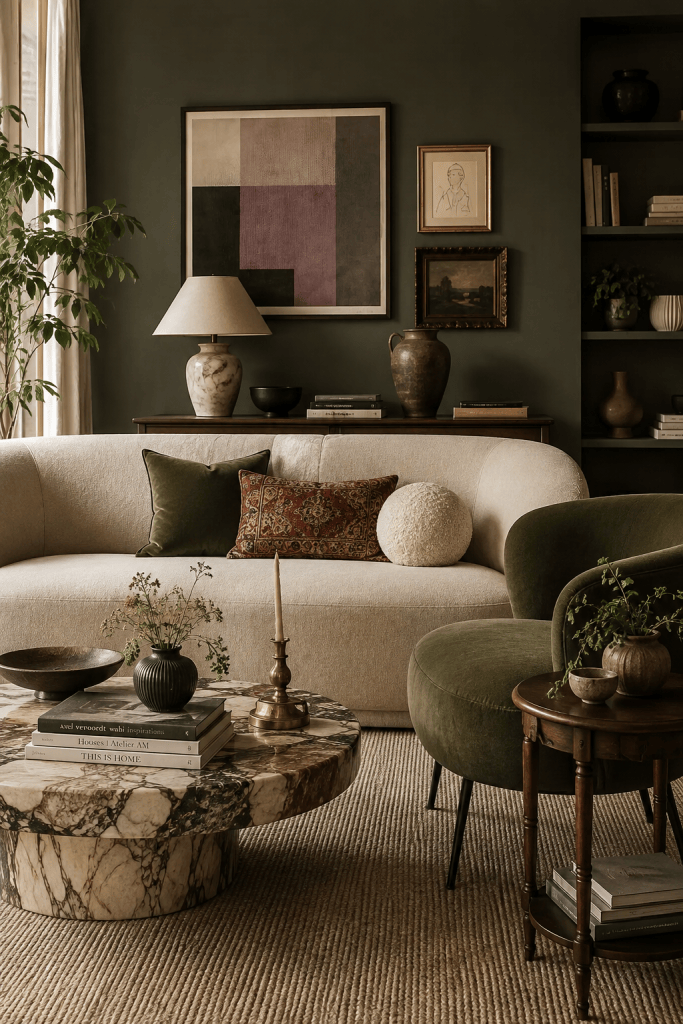
1. The Collectible Home
Think less showroom, more beautifully collected over time.
Remember when everything in a room had to match? The sofa, the chairs, the side tables, even the cushions?
Well, those days could be numbered.
Sarah believes we’re moving towards homes that feel collected rather than perfectly coordinated.
At Milan’s Salone del Mobile, the launch of Salone Raritas put collectible design, antiques, limited-edition pieces and exceptional craftsmanship firmly in the spotlight.
But don’t worry, this doesn’t mean we all need to start investing in expensive designer furniture.
It’s about mixing contemporary pieces with vintage finds, family heirlooms, handmade objects and those little treasures picked up on holiday.
That inherited chair you’ve never quite known what to do with? It might finally have its moment.
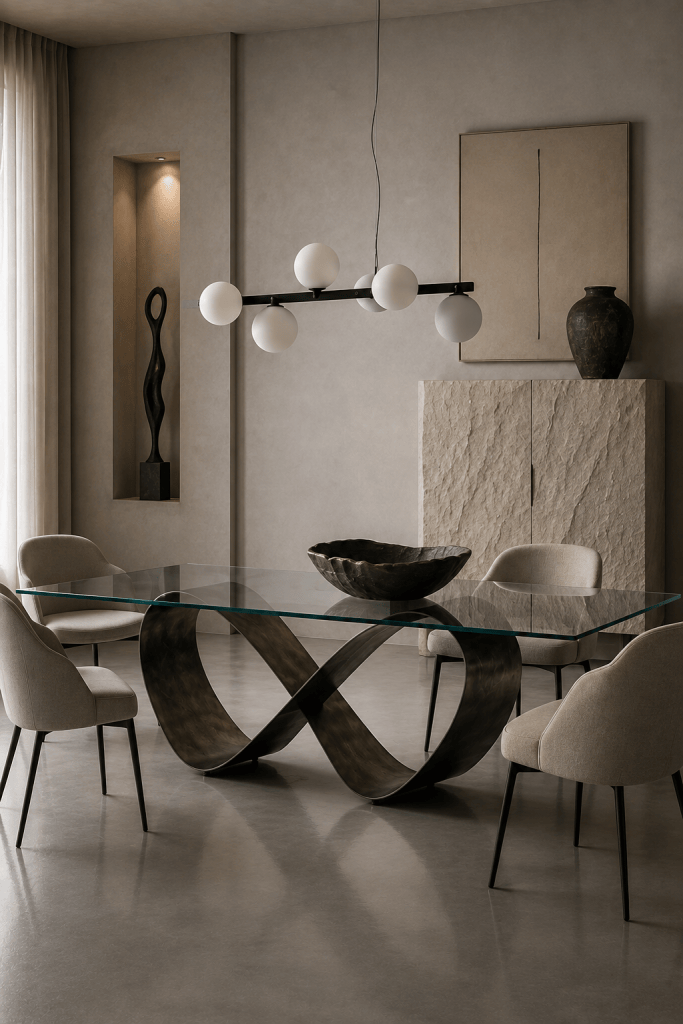
2. Furniture Becomes the Art
Who needs a statement painting when your dining table can steal the show?
Furniture is becoming much more sculptural, with designers creating pieces that are as interesting to look at as they are practical.
Sarah spotted this particularly in Milan, where designers including Ronan Bouroullec, Hannes Peer and Sebastian Herkner were experimenting with dramatic table bases, unusual shapes and expressive materials.
And it’s not just dining tables.
Chairs, cabinets, lighting and occasional furniture are all becoming more distinctive.
The idea is to introduce one beautiful piece that becomes the focal point of a room, rather than filling a space with furniture that quietly blends into the background.
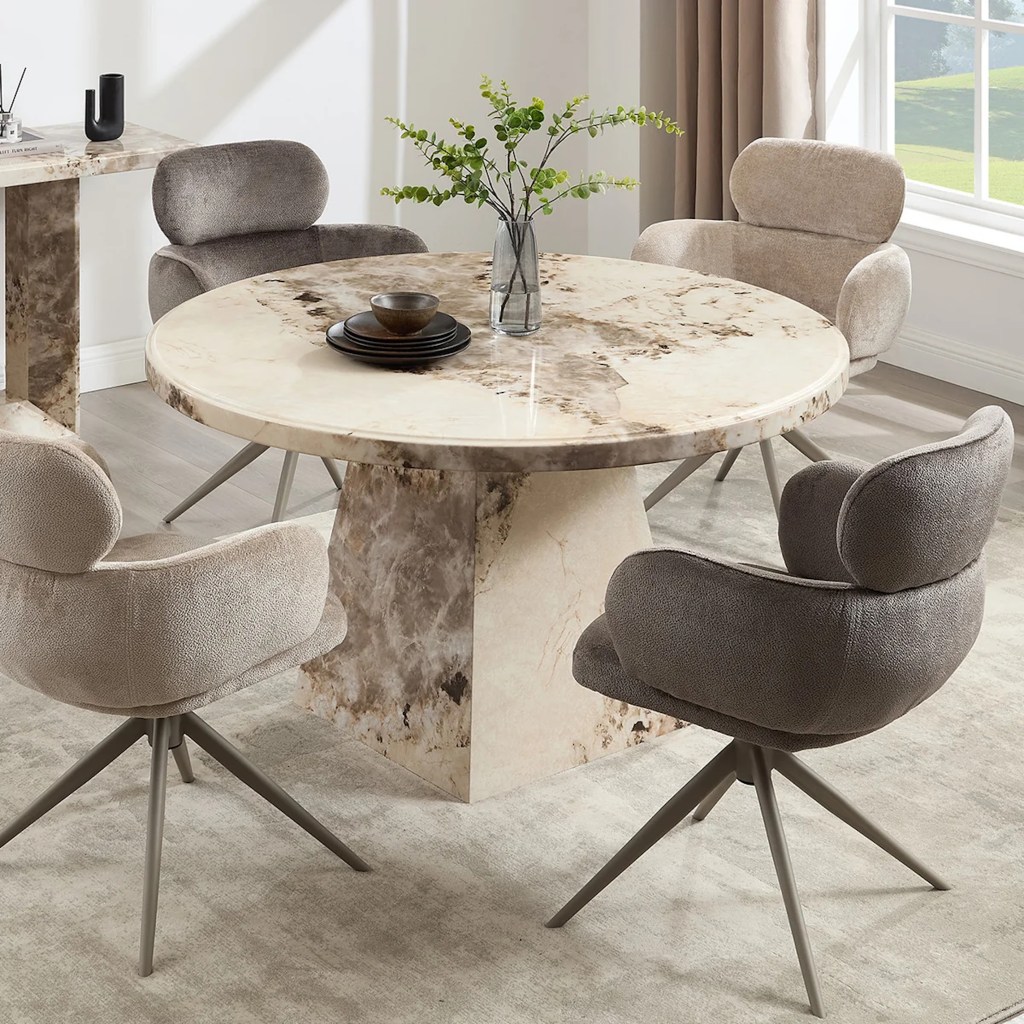
3. Materials Matter More Than Colour
It’s not just what something looks like, but what it’s made from.
We’ve been talking about texture in interiors for years, but Sarah believes 2027 will take that idea much further.
At Milan Design Week, natural materials were celebrated rather than disguised.
Think beautifully grained timber, dramatic veined stone, experimental glass, tactile textiles and interesting combinations of lacquer and metal.
The material itself becomes part of the design.
Rather than choosing a table simply because it’s the right shade of brown, we might find ourselves falling in love with the character of the wood or the natural markings in the stone.
It’s a lovely reminder that sometimes the imperfections are what make something beautiful.

4. Perfectly Matched Finishes Are Out
Brass with chrome? Wood with steel? Apparently, anything goes!
If you’ve spent years worrying about whether your door handles match your light fittings, this one’s for you.
Sarah says designers are becoming much more adventurous about combining contrasting materials and finishes.
At Copenhagen’s 3daysofdesign, stainless steel and aluminium appeared alongside oak, Douglas fir, marble and other natural materials.
Meanwhile, Milan saw warm and cool metals being mixed deliberately.
The result?
Rooms that feel more layered, interesting and individual.
Think glossy with matt, warm with cool, industrial with handmade.
It turns out that a little contrast can be a very good thing.

5. Traditional Craft Gets a Modern Makeover
Handmade doesn’t have to mean old-fashioned.
Craftsmanship is making a comeback, but not necessarily in the way we might expect.
Sarah points to SaloneSatellite, Milan’s showcase for emerging designers, where the 2026 theme focused on skilled craftsmanship and innovation.
Young designers are taking traditional skills such as weaving, joinery, ceramics and basketry and combining them with modern technology, unusual materials and contemporary shapes.
We’re talking woven furniture created using digital modelling, traditional timber techniques used in striking modern designs and discarded materials transformed into something entirely new.
It’s the best of both worlds: beautiful traditional skills with a thoroughly modern twist.

6. The Low-Slung Living Room
Because sometimes we want to lounge, not sit politely!
Here’s a trend we can definitely get behind.
According to Sarah, sofas and seating are getting lower, deeper and altogether more relaxed.
At Copenhagen’s design shows, low seating was everywhere, including updated versions of classic 1970s designs.
Milan also showcased generous modular sofas and low platforms designed for more informal living.
And when you think about how we actually use our living rooms, it makes perfect sense.
They’re no longer just places to sit neatly in front of the television.
They’re where we read, work, chat, entertain, watch films, cuddle up with the dog and occasionally fall asleep halfway through a box set.
Our furniture is finally catching up with real life.
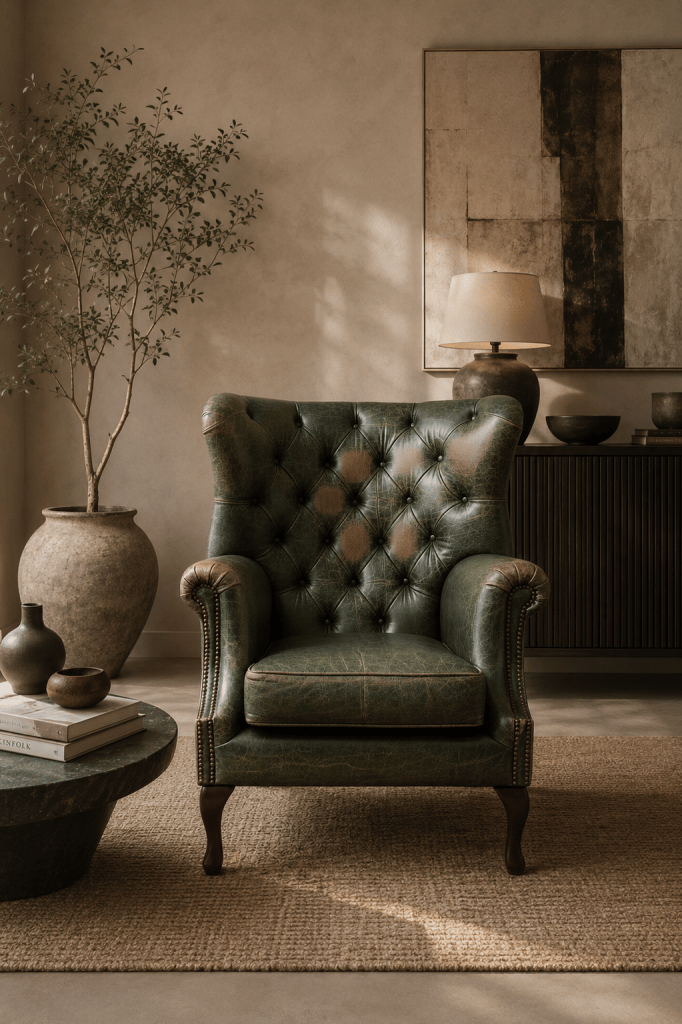
7. Furniture That’s Designed to Grow Old
Perhaps the most sensible trend of them all.
For years, interiors trends have encouraged us to update, replace and refresh.
But Sarah believes there’s a growing shift towards furniture that actually gets better with age.

At the international design shows, durability, repairability, modular construction and the lifespan of materials were recurring themes.
One kitchen manufacturer in Copenhagen even chose to display an eleven-year-old kitchen.
And we love that.
Rather than worrying about every little mark or scratch, the focus is moving towards furniture that develops character over time.
Think beautiful wood that deepens in colour, leather that softens with use and pieces that can be repaired rather than replaced.
Buying less, but buying better, suddenly feels rather fashionable.
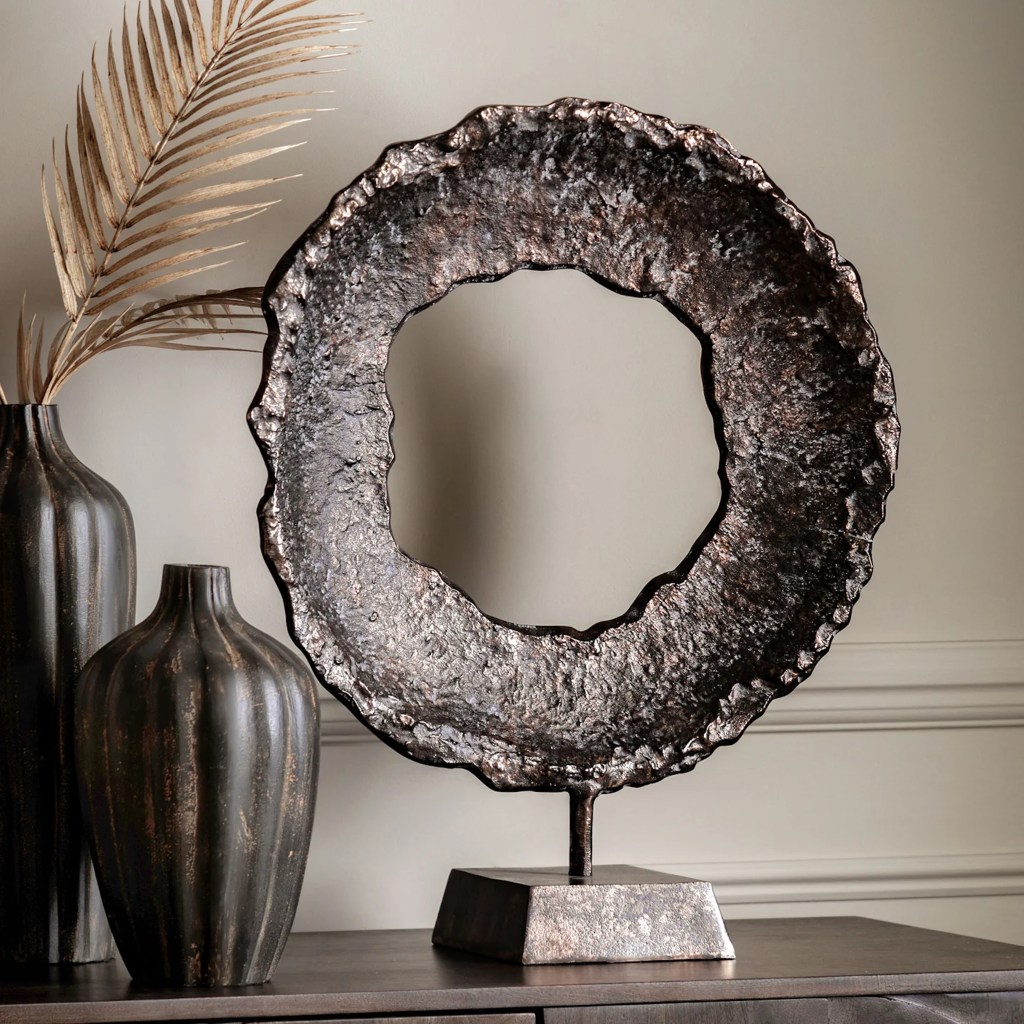
8. The Return of the Interesting Room
Goodbye identikit interiors. Hello personality!
This is perhaps Sarah’s biggest prediction of all.
After years of social media feeds filled with remarkably similar interiors, designers are starting to celebrate rooms that tell a story.
At Maison&Objet, the theme Past Reveals Future explored heritage, memory and traditional craft through a contemporary lens.
Meanwhile, Milan showcased interiors that combined history, storytelling and unexpected design choices.
The message?
Stop worrying quite so much about whether everything fits a particular aesthetic.
An antique chair alongside a modern sofa? Lovely.
Decorative wallpaper with contemporary furniture? Why not?
Artwork that doesn’t match the cushions? Even better.
Sarah believes the most interesting homes of 2027 will be those that feel personal, layered and full of character.
And surely that’s what home should be about?
So, What Will Our Homes Look Like in 2027?
If there’s one thing Sarah’s predictions have in common, it’s that we’re moving away from interiors designed simply to follow a trend.
Instead, the focus is on individuality, quality, craftsmanship and choosing things that genuinely mean something to us.
As Sarah explains, in an increasingly digital world, there’s something particularly appealing about the physical qualities of beautiful materials and handmade objects.
The grain of timber. The weight of stone. The slightly imperfect finish of a handmade ceramic.
These are the things that make a home feel real.
And perhaps that’s the most refreshing interiors trend of all.
In 2027, the most stylish home might just be the one that looks most like you.
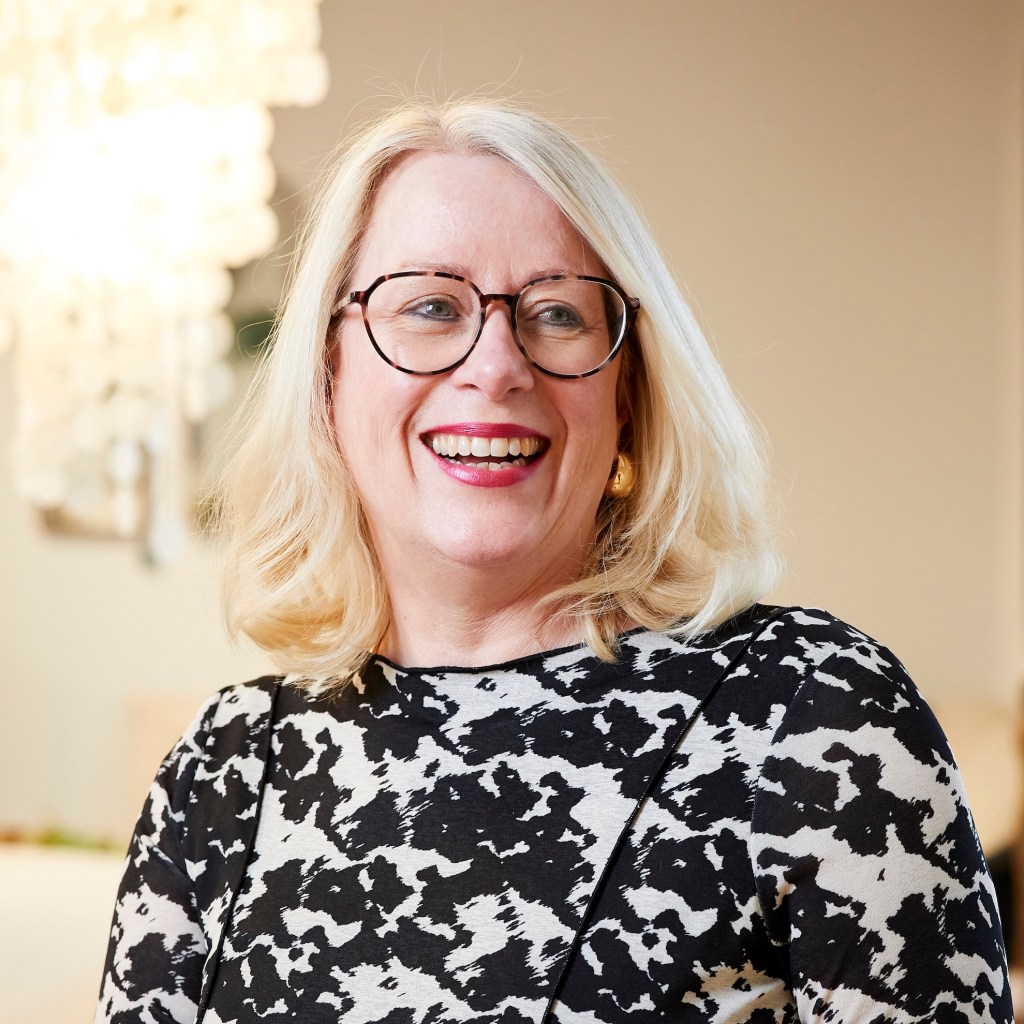
With thanks to Sarah Bianchi, CEO of Arighi Bianchi, for sharing her insights into the design movements shaping our homes in 2027.
Sarah is the sixth generation of the Bianchi family to lead Arighi Bianchi, the independent furniture and interiors retailer founded in Macclesfield in 1854.


